

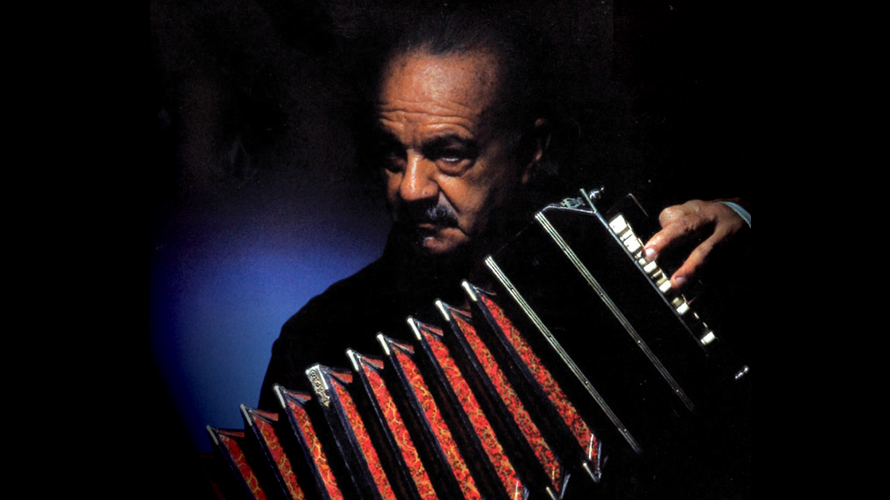
An extraordinary musician, composer, and bandleader Astor Piazzolla, the creator of New Tango, would have celebrated his 100 birthday this March 11.
While listening to his music today, it’s hard to understand how controversial he once was and the violent reactions he inspired. But for his New Tango, Piazzolla looked past tradition, the dancers’ needs, and the postcard clichés of tango, and drew instead from European classical music, jazz, and Klezmer, a distant echo perhaps of his growing up in the Lower East Side in New York City. His New Tango included soaring melodies, Bachian fugues, urgent Bartok-inspired rhythms, walking basses, and the sound of the electric guitar. It was a blast of fresh air.
And just like that, the man so many traditionalists accused of killing tango might have saved it — most notably from itself.
His New Tango stirred and re-energized the genre at home and reached a new, global audience. It brought Piazzolla — who, as a student of classical music by day and a tango musician by night, once dreamed of becoming a classical composer — to classical music temples. His admirers and collaborators came to New Tango from unexpected places in the music universe, including classical masters such as Mstislav Rostropovich, Gidon Kremer, and Yo-Yo Ma; jazz luminaries such as Gerry Mulligan, Gil Evans, Al DiMeola, and Gary Burton, and dance music diva Grace Jones.
Astor Piazzolla died in July 1992. He was 71.
His brand of tango, his New Tango, is now played by symphonic orchestras, chamber groups, and string quartets worldwide.
The Koubek Center is proud to commemorate Astor Piazzolla with images, voices, and some of the New Tangos that helped turn a local, popular dance music into a global art.